Business Name: BeeHive Homes of Clovis
Address: 2305 N Norris St, Clovis, NM 88101
Phone: (505) 591-7025
BeeHive Homes of Clovis
Beehive Homes of Clovis assisted living care is ideal for those who value their independence but require help with some of the activities of daily living. Residents enjoy 24-hour support, private bedrooms with baths, medication monitoring, home-cooked meals, housekeeping and laundry services, social activities and outings, and daily physical and mental exercise opportunities. Beehive Homes memory care services accommodates the growing number of seniors affected by memory loss and dementia. Beehive Homes offers respite (short-term) care for your loved one should the need arise. Whether help is needed after a surgery or illness, for vacation coverage, or just a break from the routine, respite care provides you peace of mind for any length of stay.
2305 N Norris St, Clovis, NM 88101
Business Hours
Monday thru Sunday: 9:00am to 5:00pm
TikTok: https://tiktok.com/@beehivehomes_clovis
YouTube: https://www.youtube.com/@WelcomeHomeBeeHiveHomes
Facebook: https://www.facebook.com/beehiveclovis
Instagram: https://www.instagram.com/beehivehomesclovis/
Families rarely plan for caregiving. It gets here in pieces: a driving limitation here, help with medications there, a fall, a medical diagnosis, a slow loss of memory that changes how the day unfolds. Soon, someone who enjoys the older grownup is managing visits, bathing and dressing, transport, meals, costs, and the undetectable work of watchfulness. I have sat at kitchen area tables with partners who look ten years older than they are. They say things like, "I can do this," and they can, till they can't. Respite care keeps that tipping point from becoming a crisis.
Respite care supplies short-term assistance by skilled caretakers so the primary caretaker can step away. It can be set up in your home, in a community setting, or in a residential environment such as assisted living or memory care. The length varies from a few hours to a few weeks. When it's succeeded, respite is not a pause button. It is an intervention that enhances results: for the senior, for the caregiver, and for the household system that surrounds them.
Why relief matters before burnout sets in
Caregiving is physically taxing and mentally made complex. It combines repetitive jobs with high stakes. Miss one medication window and the day can unwind. Lift with poor kind and you'll feel it for months. Include the unpredictability of dementia signs or Parkinson's changes, and even experienced caregivers can discover themselves on edge. Burnout doesn't take place after a single hard week. It collects in little compromises: avoided doctor check outs for the caregiver, less sleep, less social connections, brief temper, slower healing from colds, a constant sense of doing everything in a hurry.
A short break interrupts that slide. I keep in mind a child who used a two-week respite stay for her mother in an assisted living community to arrange her own long-postponed surgery. She returned recovered, her mother had enjoyed a modification of surroundings, and they had brand-new regimens to build on. There were no heroes, simply individuals who got what they required, and were better for it.
What respite care appears like in practice
Respite is versatile by style. The best format depends on the senior's needs, the caregiver's limits, and the resources available.
At home, respite may be a home care assistant who gets here 3 early mornings a week to help with bathing, meal prep, and friendship. The caretaker utilizes that time to run errands, nap, or see a good friend without constant phone checks. In-home respite works well when the senior is most comfy in familiar surroundings, when movement is limited, or when transportation is a barrier. It maintains routines and minimizes transitions, which can be especially important for individuals coping with dementia.
In a community setting, adult day programs provide a structured day with meals, activities, and therapy services. I have seen guys who declined "day care" excited to return once they understood there was a card table with major pinochle gamers and a physiotherapist who customized exercises to their old football injuries. Adult day programs can be a bridge between overall home care and residential care, and they provide caregivers foreseeable blocks of time.
In residential settings, numerous assisted living and memory care communities reserve supplied homes or rooms for short-stay respite. A normal stay varieties from three days to a month. The personnel manages personal care, medication administration, meals, housekeeping, and social programs. For households that are considering a relocation, a respite stay functions as a trial run, lowering the anxiety of a permanent shift. For senior citizens with moderate to innovative dementia, a dedicated memory care respite positioning provides a safe environment with staff trained in redirection, recognition, and gentle structure.
Each format has a place. The right one is the one that matches the requirements on the ground, not a theoretical best.
Clinical and practical advantages for seniors
A great respite plan benefits the senior beyond giving the caregiver a breather. Fresh eyes catch threats or chances that an exhausted caregiver might miss.
Experienced assistants and nurses discover subtle modifications: brand-new swelling in the ankles that recommends fluid retention, increased confusion in the evening that could show a urinary tract infection, a decrease in appetite that connects back to badly fitting dentures. A few little interventions, made early, avoid hospitalizations. Avoidable admissions still occur too often in older adults, and the drivers are typically uncomplicated: medication errors, dehydration, infection, and falls.
Respite time can be structured for rehabilitation. If a senior is recovering from pneumonia or a surgical treatment, including treatment during a respite stay in assisted living can rebuild stamina. I have actually dealt with communities that arrange physical and occupational treatment on the first day of a respite admission, then coordinate home workouts with the family for the shift back. Two weeks of everyday gait practice and transfer training have a quantifiable result. The distinction in between 8 and 12 seconds in a Timed Up and Go test sounds small, but it shows up as self-confidence in the bathroom at 2 a.m.
Cognitive engagement is another advantage. Memory care programs are designed to reduce distress and promote retained abilities: rhythmic music to set a strolling rate, Montessori-based activities that put hands to meaningful jobs, simple options that maintain company. An afternoon spent folding towels with a small group might not sound therapeutic, but it can organize attention and reduce agitation. People sleeping through the day often sleep better at night after a structured day in memory care, even throughout a short respite stay.
Social contact matters too. Solitude correlates with even worse health outcomes. Throughout respite, seniors satisfy new people and interact with personnel who are used to drawing out quiet residents. I have actually viewed a widower who barely spoke in your home inform long stories about his Army days around a lunch table, then ask to return the next week because "the soup is better with an audience."
Emotional reset for caregivers
Caregivers often explain relief as guilt followed by appreciation. The regret tends to fade once they see their loved one doing fine. Appreciation remains because it mixes with perspective. Stepping away reveals what is sustainable and what is not. It reveals how many jobs only the caregiver is doing due to the fact that "it's faster if I do it," when in truth those tasks might be delegated.
Time off also brings back the parts of life that do not fit into a caregiving schedule: relationships, workout, quiet mornings, church, a film in a theater. These are not high-ends. They buffer stress hormonal agents and avoid the body immune system from running in a constant state of alert. Studies have found that caregivers have greater rates of stress and anxiety and anxiety than non-caregivers, and respite reduces those symptoms when it is regular, not uncommon. The caretakers I have actually understood who prepared respite as a routine-- every Thursday afternoon, one weekend every 2 months, a week each spring-- coped better over the long run. They were less likely to think about institutional placement since their own health and patience held up.
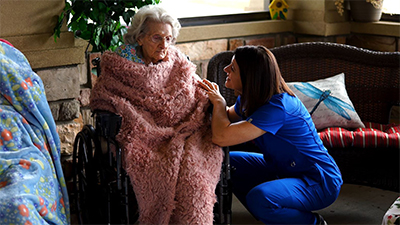
There is also the plain benefit of sleep. If a caretaker is up two or three times a night, their reaction times sluggish, their state of mind sours, their choice quality drops. A few successive nights of continuous sleep modifications everything. You see it in their faces.
The bridge between home and assisted living
Assisted living is not a failure of home care. It is a platform for assistance when the requirements surpass what can be safely handled at home, even with help. The technique is timing. Move prematurely and you lose the strengths of home. Move far too late and you move under duress after a fall or health center stay.
Respite stays in assisted living help calibrate that decision. They provide the senior a taste of common life without the dedication. They let the family see how personnel respond, how meals are dealt with, whether the call system is timely, how medications are managed. It is one thing to tour a design home. It is another to see your father return from breakfast relaxed since the dining room server remembered he likes half-decaf and rye toast.

The bridge is especially valuable after an acute occasion. A senior hospitalized for pneumonia can discharge to a brief respite in assisted living to rebuild strength before returning home. This step-down design minimizes readmissions. The personnel has the capacity to keep track of oxygen levels, coordinate with home health therapists, and cue hydration and medications in a manner that is difficult for a tired spouse to preserve around the clock.
Specialized respite in memory care
Dementia changes the caregiving equation. Roaming threat, impaired judgment, and communication difficulties make guidance extreme. Basic assisted living may not be the ideal environment for respite if exits are not protected or if personnel are not trained in dementia-specific techniques. Memory care units typically have controlled doors, circular strolling courses, quieter dining areas, and activity calendars calibrated to attention spans and sensory tolerance. Their staff are practiced in redirection without fight, and they comprehend how to avoid triggers, like arguing with a resident who wants to "go home."
Short remains in memory care can reset hard patterns. For example, a woman with sundowning who paces and becomes combative in the late afternoon might gain from structured physical activity at 2 p.m., a light snack, and a calming sensory regimen before supper. Personnel can implement that regularly during respite. Households can then obtain what works at home. I have actually seen a basic modification-- moving the primary meal to midday and scheduling a brief walk before 4 p.m.-- cut evening agitation in half.
Families in some cases worry that a memory care respite stay will puzzle their loved one. Confusion belongs to dementia. The genuine danger is unmanaged distress, dehydration, or caregiver fatigue. A well-executed respite with a gentle admission procedure, familiar things from home, and predictable hints alleviates disorientation. If the senior struggles, staff can adjust lighting, simplify options, and modify the environment to minimize sound and glare.
Cost, value, and the insurance coverage maze
The expense of respite care varies by setting and region. Non-medical at home respite may range from 25 to 45 dollars per hour, often with a three or 4 hour minimum. Adult day programs commonly charge an everyday rate, with transport provided for an extra cost. Assisted living respite is normally billed per day, often between 150 and 300 dollars, including room, meals, and fundamental care. Memory care respite tends to cost more due to greater staffing.
These numbers can sting. Still, it helps to compare them to alternative expenses. A caretaker who ends up in the emergency department with back stress or pneumonia adds medical bills and removes the only support in the home for a period of time. A fall that leads to a hip fracture can change the entire trajectory of a senior's life. A couple of brief respite remains a year that avoid such outcomes are not high-ends; they are sensible investments.

Funding sources exist, however they are patchy. Long-term care insurance frequently consists of a respite or short-stay advantage. Policies differ on waiting durations and day-to-day caps, so checking out the small print matters. Veterans and surviving spouses might qualify for VA programs that include respite hours. Some state Medicaid waivers cover adult day services or short stays in residential settings. Disease-specific organizations often use small respite grants. I motivate households to keep a folder with policy numbers, contacts, and benefit information, and to ask each company straight what paperwork they require.
Safety and quality considerations
Families worry, rightly, about security. Short-term stays compress onboarding. That makes preparation and communication crucial. The very best results I've seen start with a clear image of the senior's standard: movement, toileting routines, fluid choices, sleep habits, hearing and vision limitations, triggers for agitation, gestures that signal discomfort. Medication lists need to be present and cross-checked. If the senior utilizes a CPAP, walker, or unique utensils, bring them.
Staffing ratios matter, but they are not the only variable. Training, longevity, and leadership set the tone. Throughout a tour, pay attention to how personnel greet residents by name, whether you hear laughter, whether the director is visible, whether the bathrooms are clean at random times, not just on tour days. Ask how they manage falls, how they alert families, and how they handle a resident who declines medications. The responses reveal culture.
In home settings, vet the firm. Verify background checks, employee's payment coverage, and backup staffing plans. Ask about dementia training if suitable. Pilot the relationship with a much shorter block of care before scheduling a full day. I have found that starting with a morning regimen-- a shower, breakfast, and light housekeeping-- constructs trust much faster than a disorganized afternoon.
When respite appears more difficult than remaining home
Some households try respite when and decide it's unworthy the disturbance. The very first attempt can be bumpy. The senior may withstand a new environment or a brand-new caretaker. A past bad fit-- a hurried aide, a complicated adult day center, a noisy dining room-- colors the next try. That is understandable. It is also fixable.
Two modifications enhance the odds. First, start little and predictable. A two-hour in-home assistant visit the same days each week, or a half-day adult day session, allows habits to form. The brain likes patterns. Second, set an achievable very first goal. If the caregiver gets one dependable early morning a week to deal with logistics, and if those mornings go smoothly for the senior, everybody gains confidence.
Families caring for somebody with later-stage dementia in some cases discover that residential respite produces delirium or extended confusion after return home. Lessening transitions by adhering to in-home respite may be wiser in those cases unless there is an engaging factor to use residential respite. Alternatively, for a senior with frequent nighttime roaming, a secure memory care respite can be much safer and more restful for all.
How respite strengthens the long game
Long-term caregiving is a marathon with hills. Respite slots into the training strategy. It lets caregivers speed themselves. It keeps care from narrowing to crisis reaction. Over months and years, those periods of rest equate into fewer fractures in the system. Adult kids can remain children and boys, not just care planners. Spouses can be companions again for a couple of hours, delighting in coffee and a program instead of continuous elderly care beehivehomes.com delegation.
It also supports better decision-making. After a periodic respite, I often revisit care plans with families. We look at what changed, what improved, and what stayed hard. We go over whether assisted living might be proper, or whether it is time to register in a memory care program. We talk candidly about financial resources. Due to the fact that everybody is less diminished, the conversation is more sensible and less reactive.
Practical actions to make respite work
An easy sequence improves results and decreases stress.
- Clarify the goal of the respite: rest, travel, healing from caretaker surgical treatment, rehabilitation for the senior, or a trial of assisted living or memory care. Choose the setting that matches that objective, then tour or interview service providers with the senior's specific requirements in mind. Prepare a concise profile: medications, allergic reactions, medical diagnoses, routines, favorite foods, mobility, communication ideas, and what relaxes or agitates. Schedule the very first respite before a crisis, and strategy transport, payment, and contingency contacts. Debrief after the stay. Note what worked, what did not, and what to change next time.
Assisted living, memory care, and the continuum of support
Respite sits within a larger continuum. Home care supplies job support in location. Adult day centers add structure and socializing. Assisted living expands to 24-hour oversight with personal apartments and personnel offered at all times. Memory care takes the exact same framework and tailors it to cognitive change, including environmental security and specialized programming.
Families do not have to commit to a single design forever. Needs progress. A senior might start with adult day two times weekly, add at home respite for early mornings, then attempt a one-week assisted living respite while the caretaker takes a trip. Later on, a memory care program might provide a much better fit. The right provider will discuss this freely, not promote an irreversible move when the objective is a brief break.
When used intentionally, respite links these choices. It lets households test, learn, and adjust instead of jump.
The human side: stories that stay with me
I think of a husband who took care of his spouse with Lewy body dementia. He declined aid till hallucinations and sleep disturbances stretched him thin. We organized a five-day memory care respite. He slept, met friends for lunch, and fixed a dripping sink that had troubled him for months. His wife returned calmer, likely since staff held a steady regular and attended to constipation that him being exhausted had actually triggered them to miss out on. He registered her in a day program after that, and kept her in your home another year with support.
I think of a retired teacher who had a minor stroke. Her daughter booked a two-week assisted living respite for rehabilitation, stressed over the stigma. The instructor enjoyed the library cart and the going to choir. When it was time to leave, she asked to remain one more week to end up physical therapy. She went home, more powerful and more confident walking outside. They decided that the next winter, when icy sidewalks fretted them, she would plan another short stay.
I consider a boy managing his father's diabetes and early dementia. He used in-home respite three mornings a week, and during that time he consulted with a social employee who helped him get a Medicaid waiver. That coverage expanded the respite to five mornings, and added adult day twice a week. The father's A1C dropped from above 9 to the high sevens, partly because staff cued meals and medications consistently. Health improved since the kid was not playing catch-up alone.
Risks, compromises, and sincere limits
Respite is not a cure-all. Shifts bring risk, especially for those prone to delirium. Unidentified personnel can make mistakes in the very first days if info is insufficient. Facilities differ widely, and a slick tour can conceal thin staffing. Insurance coverage is inconsistent, and out-of-pocket costs can prevent households who would benefit a lot of. Caretakers can misinterpret an excellent respite experience as evidence they ought to keep doing it all indefinitely, instead of as a sign it's time to broaden support.
These truths argue not versus respite, however for intentional preparation. Bring medication bottles, not simply a list. Label hearing aids and chargers. Share the early morning regimen in detail, consisting of how the senior likes coffee. Ask direct concerns about staffing on weekends and nights. If the very first effort fails, alter one variable and try once again. Often the difference between a laden break and a restorative one is a quieter space or an aide who speaks the senior's very first language.
Building a sustainable rhythm
The families who are successful long term make respite part of the calendar, not a last resort. They book a standing day weekly or a five-day stay every quarter and safeguard it the way they would a medical visit. They establish relationships with a couple of aides, an adult day program, and a neighboring assisted living or memory care neighborhood with an available respite suite. They keep a go-bag ready with identified clothing, toiletries, medication lists, and a short biography with preferred subjects. They teach staff how to pronounce names correctly. They trust, but confirm, through regular check-ins.
Most significantly, they discuss the arc of care. They do not pretend that a progressive illness will reverse. They use respite to measure, to recuperate, and to adapt. They accept help, and they stay the primary voice for the individual they love.
Respite care is relief, yes. It is also a financial investment in renewal and better results. When caretakers rest, they make less mistakes and more gentle options. When senior citizens get structured support and stimulation, they move more, consume better, and feel safer. The system holds. The days feel less like emergency situations and more like life, with room for small satisfaction: a warm cup of tea, a familiar tune, a peaceful nap in a chair by the window while another person sees the clock.
BeeHive Homes of Clovis provides assisted living care
BeeHive Homes of Clovis provides memory care services
BeeHive Homes of Clovis provides respite care services
BeeHive Homes of Clovis supports assistance with bathing and grooming
BeeHive Homes of Clovis offers private bedrooms with private bathrooms
BeeHive Homes of Clovis provides medication monitoring and documentation
BeeHive Homes of Clovis serves dietitian-approved meals
BeeHive Homes of Clovis provides housekeeping services
BeeHive Homes of Clovis provides laundry services
BeeHive Homes of Clovis offers community dining and social engagement activities
BeeHive Homes of Clovis features life enrichment activities
BeeHive Homes of Clovis supports personal care assistance during meals and daily routines
BeeHive Homes of Clovis promotes frequent physical and mental exercise opportunities
BeeHive Homes of Clovis provides a home-like residential environment
BeeHive Homes of Clovis creates customized care plans as residents’ needs change
BeeHive Homes of Clovis assesses individual resident care needs
BeeHive Homes of Clovis accepts private pay and long-term care insurance
BeeHive Homes of Clovis assists qualified veterans with Aid and Attendance benefits
BeeHive Homes of Clovis encourages meaningful resident-to-staff relationships
BeeHive Homes of Clovis delivers compassionate, attentive senior care focused on dignity and comfort
BeeHive Homes of Clovis has a phone number of (505) 591-7025
BeeHive Homes of Clovis has an address of 2305 N Norris St, Clovis, NM 88101
BeeHive Homes of Clovis has a website https://beehivehomes.com/locations/clovis/
BeeHive Homes of Clovis has Google Maps listing https://maps.app.goo.gl/SMhM3zbKaKgR1UAX6
BeeHive Homes of Clovis has TikTok page https://tiktok.com/@beehivehomes_clovis
BeeHive Homes of Clovis has Facebook page https://www.facebook.com/beehiveclovis
BeeHive Homes of Clovis has Instagram page https://www.instagram.com/beehivehomesclovis/
BeeHive Homes of Clovis has an YouTube page https://www.youtube.com/@WelcomeHomeBeeHiveHomes
BeeHive Homes of Clovis won Top Assisted Living Homes 2025
BeeHive Homes of Clovis earned Best Customer Senior Service Award 2024
BeeHive Homes of Clovis placed 1st for Senior Living Communities 2025
People Also Ask about BeeHive Homes of Clovis
What is BeeHive Homes of Clovis Living monthly room rate?
The rate depends on the level of care that is needed. We do a pre-admission evaluation for each resident to determine the level of care needed. The monthly rate is based on this evaluation. There are no hidden costs or fees
Can residents stay in BeeHive Homes until the end of their life?
Usually yes. There are exceptions, such as when there are safety issues with the resident, or they need 24 hour skilled nursing services
Do we have a nurse on staff?
No, but each BeeHive Home has a consulting Nurse available 24 – 7. if nursing services are needed, a doctor can order home health to come into the home
What are BeeHive Homes’ visiting hours?
Visiting hours are adjusted to accommodate the families and the resident’s needs… just not too early or too late
Do we have couple’s rooms available?
Yes, each home has rooms designed to accommodate couples. Please ask about the availability of these rooms
Where is BeeHive Homes of Clovis located?
BeeHive Homes of Clovis is conveniently located at 2305 N Norris St, Clovis, NM 88101. You can easily find directions on Google Maps or call at (505) 591-7025 Monday through Sunday 9:00am to 5:00pm
How can I contact BeeHive Homes of Clovis?
You can contact BeeHive Homes of Clovis by phone at: (505) 591-7025, visit their website at https://beehivehomes.com/locations/clovis/ or connect on social media via TikTok Facebook or YouTube
Ned Houk Memorial Park provides scenic desert landscapes and picnic areas suitable for assisted living and elderly care residents during relaxing respite care outings.